
大数据与交通的融合,标志着交通行业的革命性变革,开创了以智能科技推动交通新引擎发展的先河,通过大数据实时采集和分析交通信息,智能交通系统实现了交通管理的智能化和精准化,显著提升了交通效率和用户体验,实时限速和信号灯调整的应用,不仅减少了拥堵,还有效降低了碳排放,这种技术的创新,将推动交通行业向更智能、更可持续的方向发展。
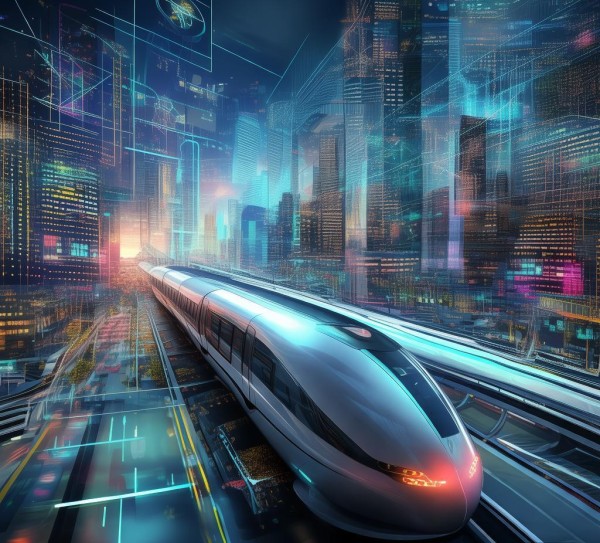
Numbers can tell you everything, but not the whole story. In the world of traffic, data is like the heartbeat of a city's heartbeat. It's the language through which cities communicate, the bridge between the old and the new, and the key to unlocking the future of transportation. In the age of technology, the world is at the crossroads of innovation. As we look to the future, one of the most significant transformations we can expect is the shift from traditional traffic management to art, data-driven systems. These systems, powered by advanced technologies like artificial intelligence and big data analytics, are not just tools for efficiency; they're the future of transportation itself. What is traffic data? Traffic data refers to the information collected about traffic flow, speeds, and volumes on roads, highways, and public transportation systems. It's the raw material that drives every intelligent transportation system. With the advent of the Internet of Things (IoT) and the proliferation of sensors and cameras, traffic data is becoming more accurate, comprehensive, and accessible than ever before. What does a traffic data analytics platform look like? It's a system that processes vast amounts of data from sensors, cameras, and other sources to provide actionable insights. This platform can analyze traffic patterns, predict congestion, optimize routes, and suggest alternative routes. By leveraging big data and machine learning algorithms, these systems can make real-time decisions, improving the efficiency and safety of traffic flow. What's the future of traffic management? The answer is a future where traffic management systems are deeply integrated with the city's infrastructure and art cities. These systems can monitor traffic conditions in real-time, anticipate traffic congestion, and respond swiftly to disruptions. Additionally, they can integrate with art grids and renewable energy systems, promoting a more sustainable and energy-efficient transportation network. What are the challenges? The challenges are equally compelling. How do we ensure the privacy and security of our data? How do we ensure the reliability of our systems? How do we ensure that these systems are accessible to all, regardless of location or background? As we move towards a more advanced traffic management system, these challenges will become even more pressing. What is the solution? The solution is a combination of innovation, collaboration, and a willingness to embrace change. We need to work closely with experts in transportation, engineering, data science, and policy to develop and implement these systems. We also need to prioritize the needs of all stakeholders, including drivers, passengers, businesses, and communities. By working together, we can create a future where traffic management is not just efficient but also safe, sustainable, and beautiful. The future of traffic management is bright. It will be one where data is the key, where innovation is the fuel, and where collaboration and collaboration are the catalyst. As we look to the horizon, let's embrace the power of data and the potential of art transportation. Let's create a future where traffic is not a problem, but a driver of progress.